
Inside Uganda’s Yumbe Shea Belt, a community rediscovers the living landscape behind its charcoal and farmland, and builds on ancestral stewardship to regenerate it.
More than a landscape, Arilo is a place shaped by generations of people and nature living together.
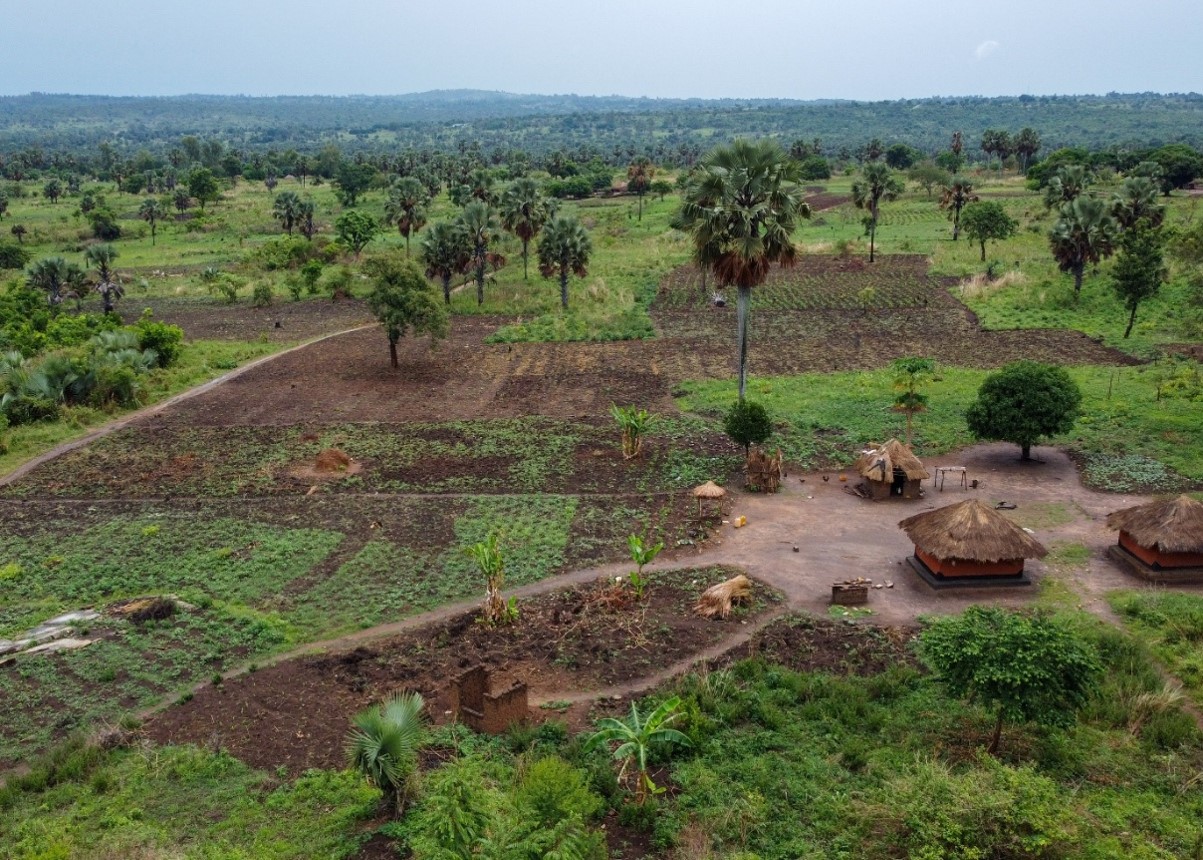
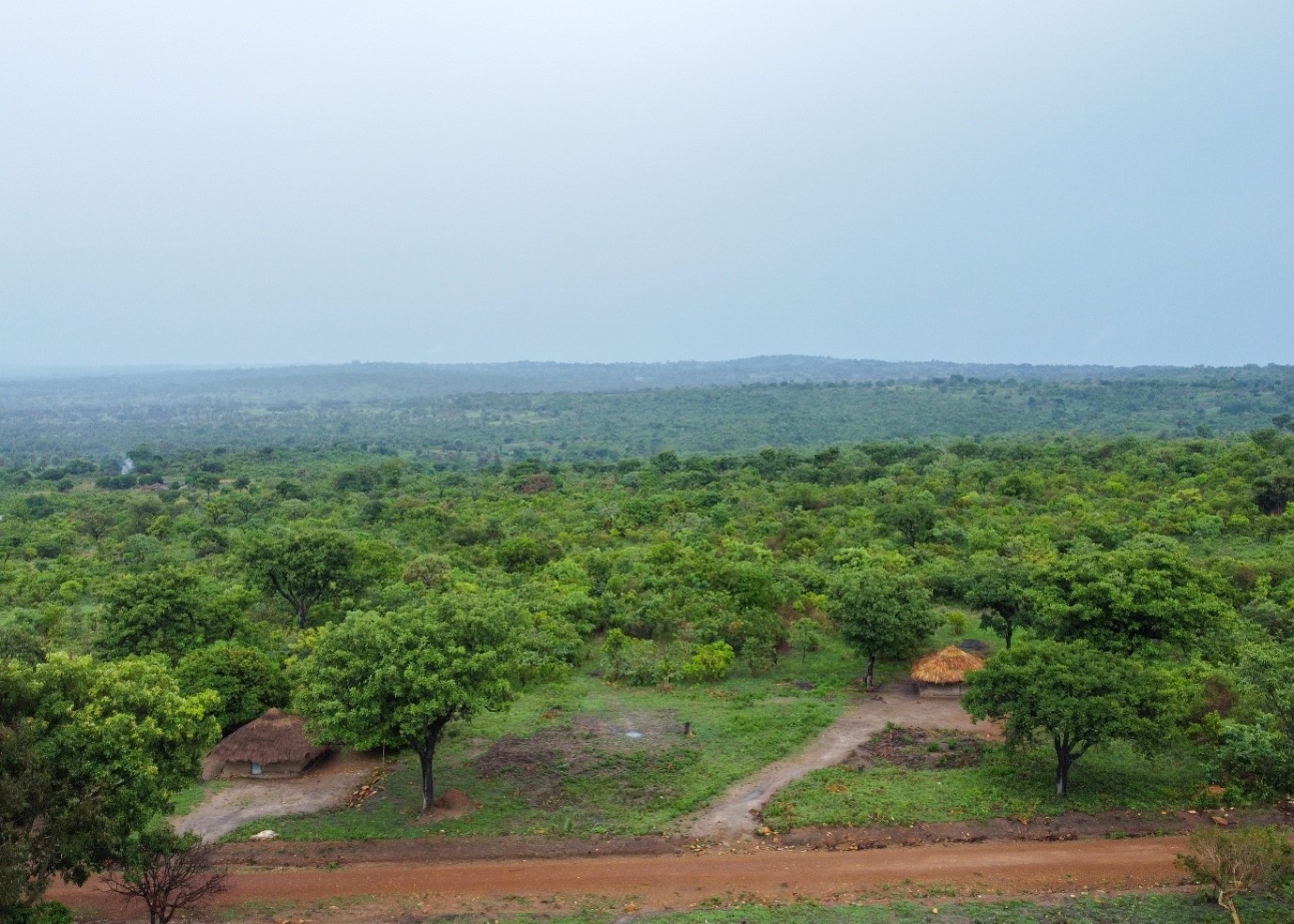
Arilo, in Uganda’s Yumbe Shea Belt, is a living being place where people and nature have shaped one another over generations. Its shea parklands, seasonal rivers, and cultural traditions form a unique identity that connects livelihoods, memory, and stewardship, while inspiring pathways for regeneration and collective care.
The area was being measured by its land, charcoal and crops, while its deeper ecological and cultural value went unseen.
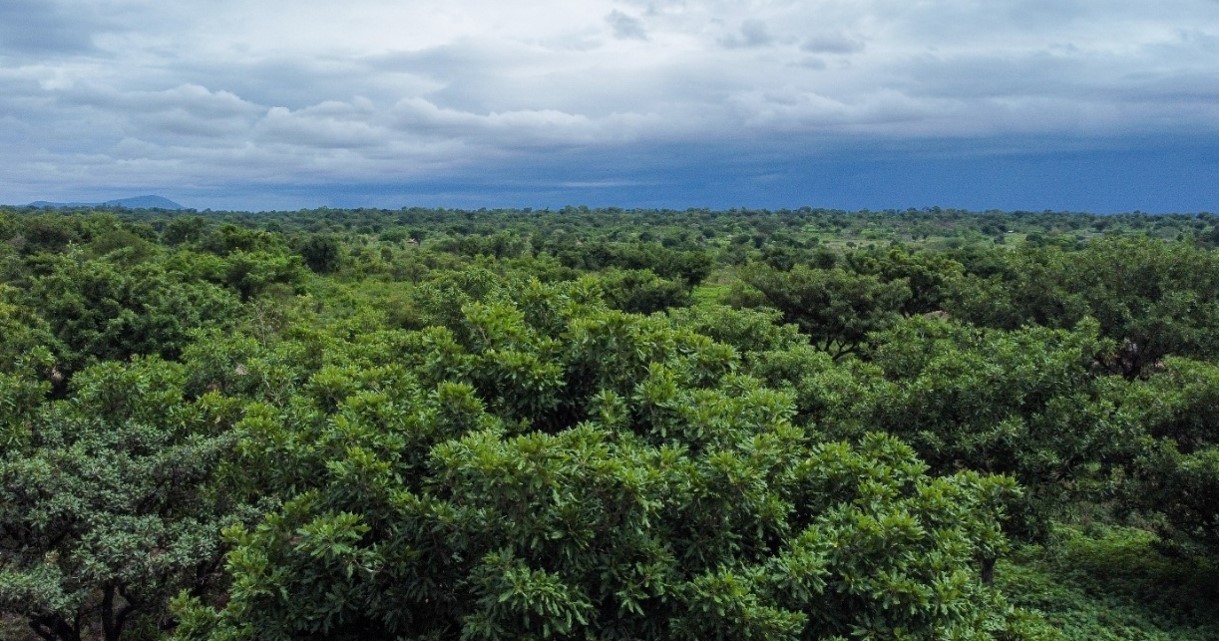
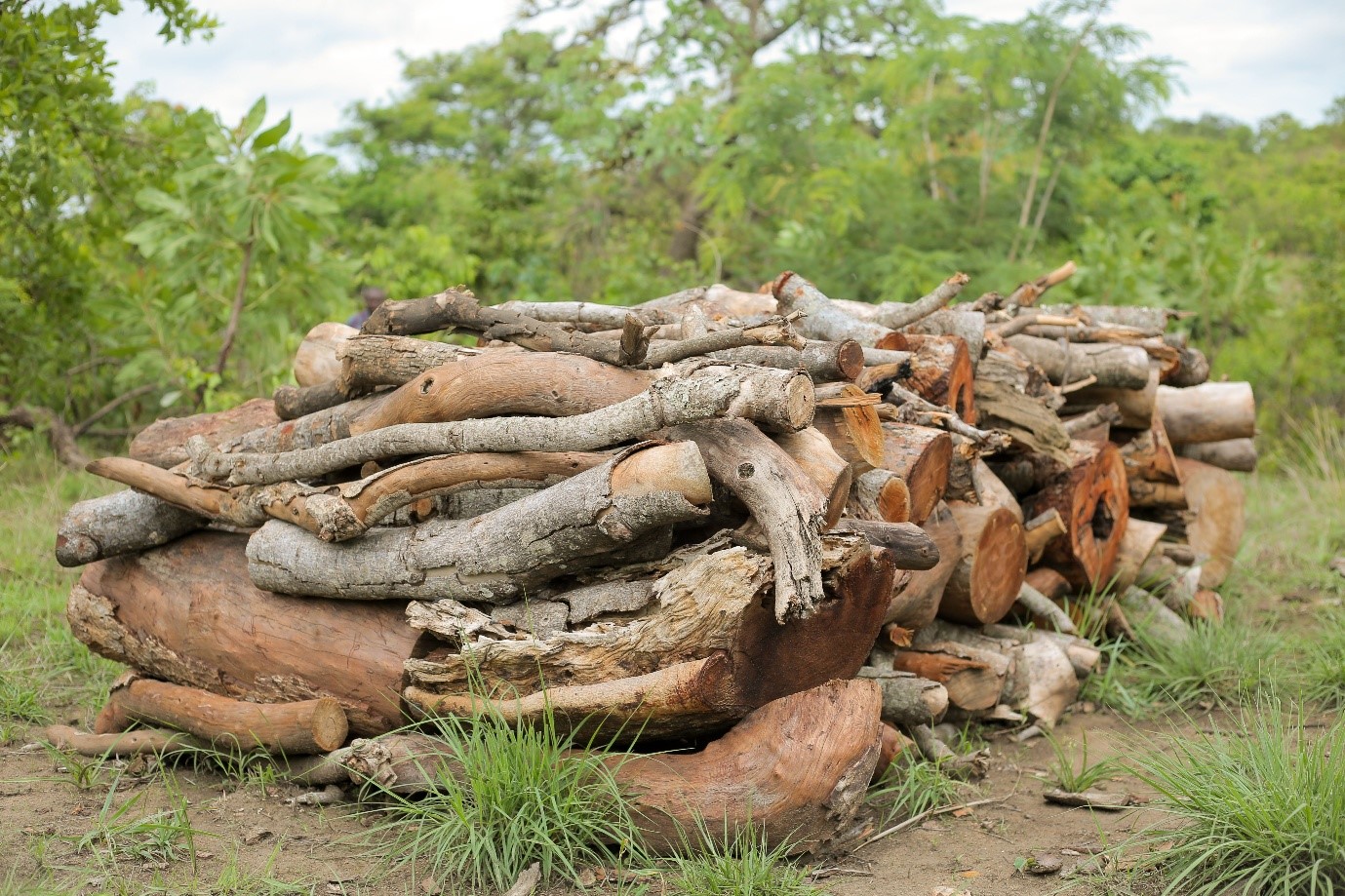
The Story of Place was needed because the Yumbe Shea Belt was increasingly being viewed only through its functional value, as a source of land, charcoal, and agricultural production, while its ecological, cultural, and historical significance was being overlooked. Using the Story of Place framework of Function, Being, and Will, the process helped communities and stakeholders move beyond asking what the landscape does for them to understanding who this place is, how people and nature have shaped one another over time, and what contribution the landscape and its people can make to a regenerative future. The process revealed both the pressures facing the landscape, including charcoal production, woodland degradation, declining soil fertility, and land fragmentation, and the hidden strengths of the community, such as indigenous stewardship, natural resources conservation, strong social networks, and opportunities for regeneration.
The community already holds much of what regeneration needs: knowledge, values and strong social ties.
Communities, elders, women, youth, and local leaders walked through the landscape, shared stories about the history of Arilo, mapped important places, discussed changes in nature, and reflected on their relationship with nature. Scientific information and local knowledge were combined to build a shared understanding of the landscape and its future.
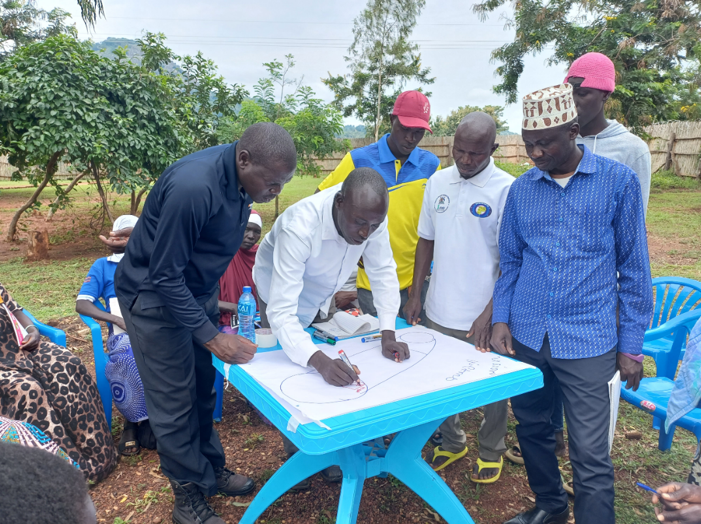
Real change didn’t come from a single intervention, it came from a shift in how the community saw its own potential.
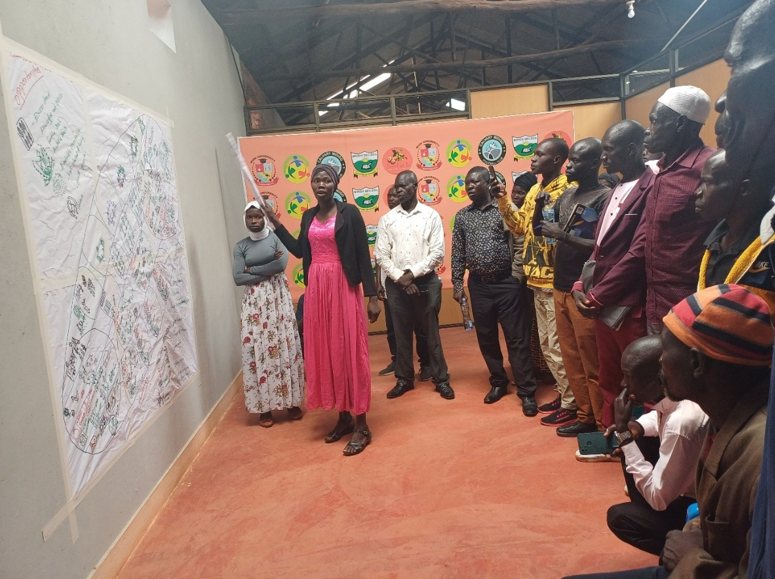
Applying the Story of Place in Uganda revealed that communities already possess rich ecological knowledge, cultural values, and stewardship practices that can serve as powerful foundations for regeneration. It also highlighted the close relationship between environmental degradation and poverty, as declining soil fertility, woodland loss, and increasing dependence on charcoal production threaten both livelihoods and ecosystem health. Through reflection and dialogue, communities began to see the landscape not simply as a source of resources to exploit, but as a living system that sustains their identity, culture, and future wellbeing. Importantly, the process revealed that regeneration in Arilo does not need to start from scratch. Strong social capital already exists through women’s groups, youth groups, indigenous conservation norms, and traditional agroforestry practices. The Story of Place demonstrated that meaningful regeneration is ultimately about restoring relationships between people and nature, between livelihoods and ecosystems, and between present and future generations, while building on the strengths and aspirations that already exist within the community.
The Community Shares…
“Our fathers never cut shea trees because they knew they belonged to our children.”
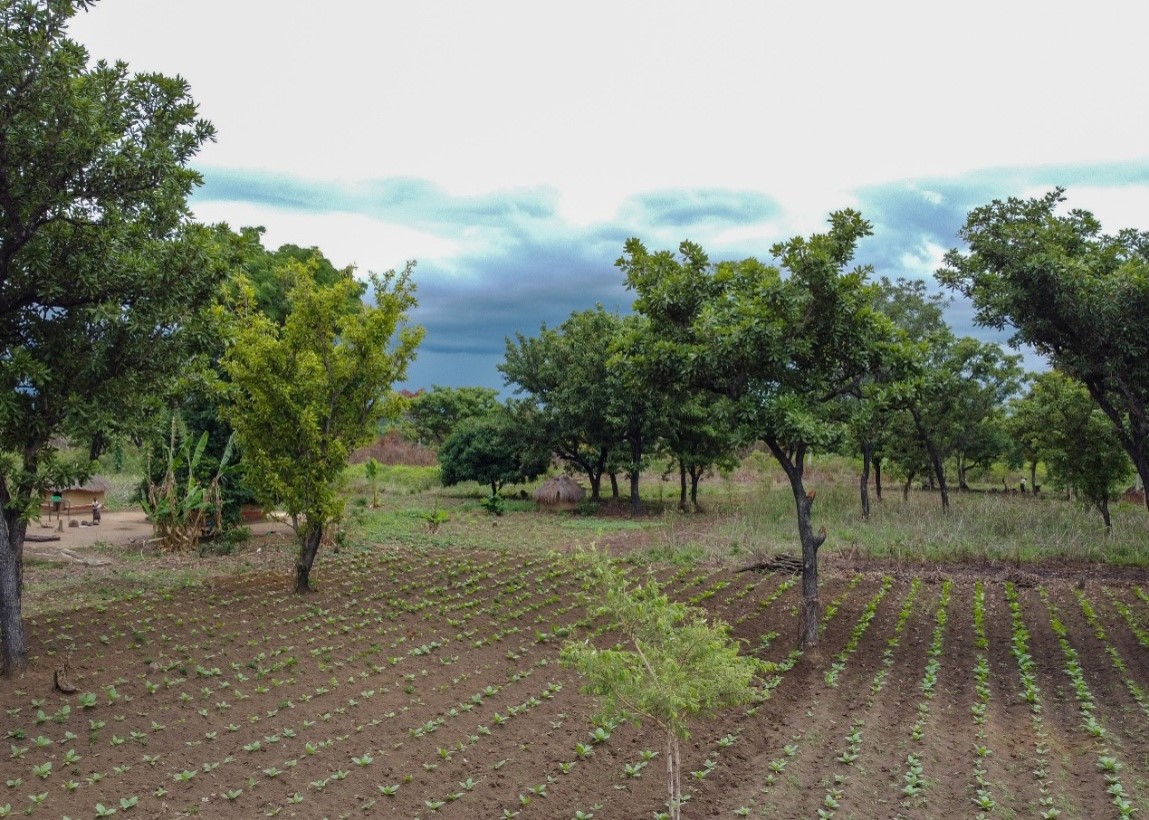
“The land breathes with the seasons; it sleeps in the dry months and awakens with the rains.”
More about the “Story of Place”