
In Kenya’s Menengai community, people living with disabilities move from the margins into farming groups and savings circles as full members.
Where land is scarce and the forest comes at a cost, those who cannot farm or walk its slopes risk being left behind.
The Menengai community depends primarily on smallholder agriculture, with small parcels of land supplemented by forest resources at a financial cost. For vulnerable groups, this system presents significant barriers because of limited finances and the physical limitations hindering their ability to farm or graze in the forest. This leaves them reliant on family members for even the most basic needs. Beyond these material challenges, they also endure social stigmatization, which isolates them within their homes and restricts their participation in community life. This exclusion compounds their struggles, affecting them both economically and emotionally, reinforcing cycles of poverty and marginalization.
Finding those most in need started by listening to the people who already knew them.
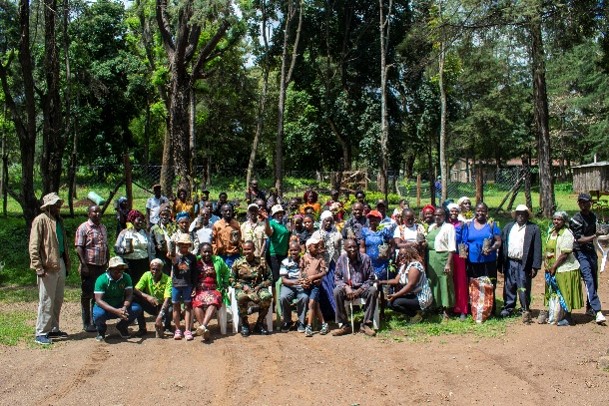
Through key informant interviews, the team learned from a community social worker about highly vulnerable individuals who depended on the national disability fund. While this support provided some relief, the amount was minimal and the process of accessing it was lengthy and bureaucratic, often delaying assistance to those most in need. Guided by this information, we reached out to these individuals, many of whom expressed a strong desire to engage in constructive activities that could enhance their self reliance and dignity beyond the limited external support.
Text line to keep structure in place
Inclusion took shape through shared work, land and savings. Vulnerable groups are integrated into Common Interest Groups (CIGs) based on their personal interests and capacities. There are seven common interest groups, namely vegetable, agroforestry, poultry, rabbits, dairy goats, dairy cows and apiculture. For instance, Joseph, who is blind and supported by his wife, chose to join the vegetable group. To ease his participation, the group hired his land as a demonstration plot. This arrangement provides Joseph with an income while reducing the burden of attending meetings, since most sessions are held on his farm. To further empower vulnerable members with financial access, Village Savings and Loan Associations (VSLAs) has been established at the CIG level. Through these associations, members (including the vulnerable) can save small amounts and access loans up to three times their savings. The repayment terms are favorable, with a 10% interest refundable within three months, compared to other community savings groups that demand repayment within one month. This flexibility enhances financial inclusion and strengthens the resilience of vulnerable households.
The clearest sign of change wasn’t a number. It was neighbours stepping in without being asked.
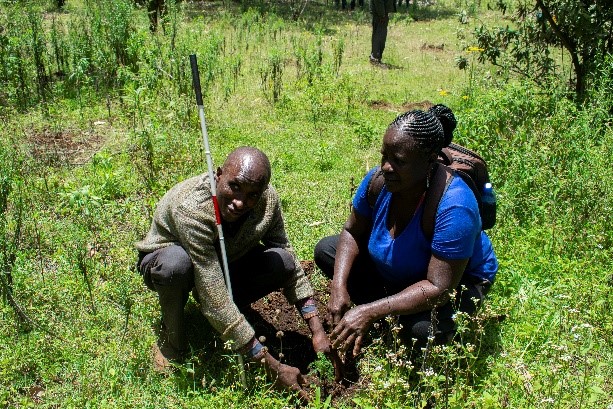
Integrating vulnerable people into the Common Interest Groups has worked. Stigma has declined, and vulnerable members now feel part of the community. When Joseph’s wife is not around, it is now common to see someone else step in to help him. Through the VSLA, a culture of saving has slowly taken root. Like any other member, Joseph can borrow without being asked for collateral.
Staying included means having a place at the table and a say in what gets decided there.
By hiring Joseph’s land for the vegetable demonstration plot, he remains actively engaged in group activities since meetings and trainings are held at his farm. This arrangement not only provides him with income but also ensures his participation is consistent and valued. In addition, vulnerable members are deliberately given leadership positions within their Common Interest Groups (CIGs). This enables them to be part of the decision-making process, strengthening their voice and influence in shaping group priorities.
Inclusivity in REFOOTURE
Inclusivity in REFOOTURE is about ensuring that no one (and nothing essential) is left behind in the transition towards regenerative and inclusive food systems. It means creating opportunities for marginalized groups to participate and benefit, removing barriers such as limited access to finance, knowledge, and markets, and recognizing nature as an essential stakeholder whose wellbeing is fundamental to resilient food systems