
In Ethiopia’s Jimma Zone, a forest-coffee community is weaving local knowledge and science into a shared picture of what its landscape needs to thrive.
In Ethiopia’s Jimma Zone, Wanja-Kerssa is a landscape where coffee grows in the shade of a forest now under pressure.
Wanja-Kerssa is a coffee-growing landscape in Kersa woreda, Jimma Zone, defined by its forested ridges and the Gilgel Gibe and Kerssa river valleys. It is home to some of Ethiopia’s most prized shade-grown Arabica coffee, though forest now covers only a small share of the land. The surrounding community is largely agricultural, relying on small parcels of land for coffee and subsistence farming. Heavy dependence on the forest for fuel, timber and cropland has placed significant pressure on both forest and farmland, with some farmers shifting away from coffee toward more lucrative crops. This strain is intensified by the hilly terrain, which accelerates soil erosion and degradation, threatening the livelihoods of the local community and beyond.
Before designing any intervention, the community first needed to understand the place as one connected system.
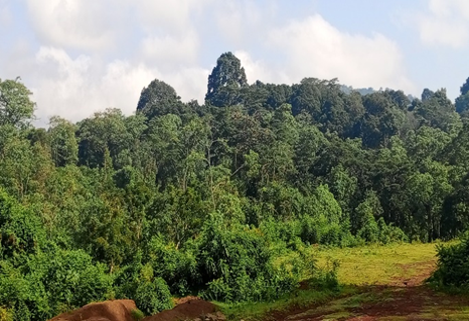
Before any regenerative intervention could be designed, the Story of Place needed to build a shared, systems-based understanding of Wanja-Kerssa: not a generic template, but a picture of how ecological conditions, settlement history, governance, livelihoods and cultural practices have shaped the local food system. Along the way, it uncovered regenerative assets as well as hard constraints, including forest degradation, soil erosion, biodiversity loss, water pollution from coffee processing, weak market systems, limited dietary diversity and unequal participation in decision-making. By weaving scientific evidence together with community knowledge, the process created a common evidence base that helped select priorities, identify disadvantaged groups, strengthen stakeholder engagement and ensure that what came next would respond to the landscape’s own realities.
The Story of Place in Wanja-Kerssa started at the desk and finished in the fields, with the community having the last word.
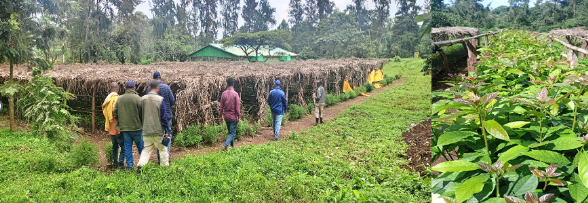
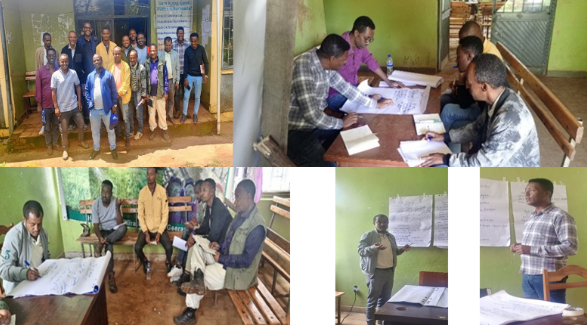
To get to know Wanja-Kerssa, the initial work was conducted at the desk, sketching the landscape from maps and records before choosing where to look closer. Teams then walked the land itself, tracing transects from forest edge to farm plot and sitting with farmers and elders to hear how the landscape had changed. Every finding was checked back with the community, so the story that emerged stayed theirs to tell.
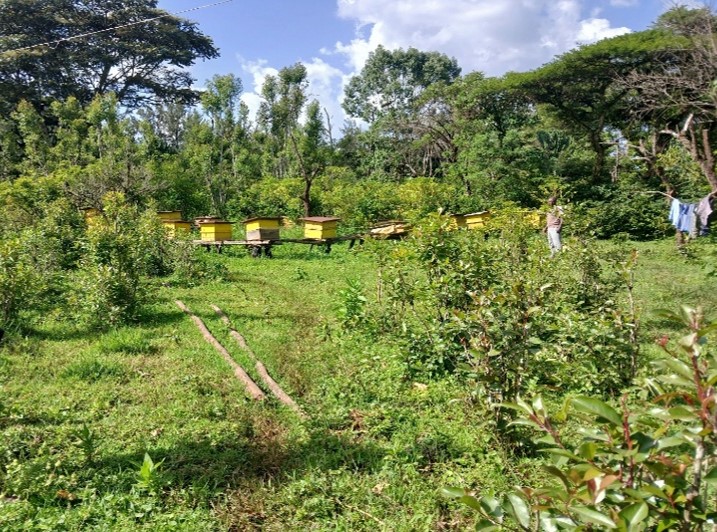
Wanja-Kerssa’s potential for regeneration is real, but so are the connected challenges that threaten it.
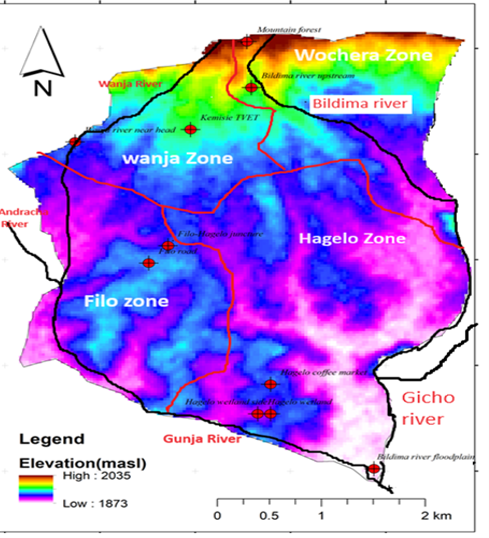
The Story of Place showed that Wanja-Kerssa has exceptional potential for regenerative food systems because of its coffee agroforestry, remnant Afromontane forests, abundant water resources, biodiversity, strong social cohesion, and active local institutions. However, it also revealed interconnected challenges, including forest degradation, agricultural intensification, declining biodiversity, soil degradation, pollution from coffee washing stations, weak market systems, limited dietary diversity, and governance that remains largely top-down. The process demonstrated that regeneration depends on understanding the landscape as a connected social-ecological system. Combining local knowledge with scientific evidence produced a richer understanding of opportunities and trade-offs, strengthened community ownership, and identified practical entry points for locally led regenerative action.
The Community Shares…
A vollage elder shared the quote below during discussions on the community’s settlement history, explaining migration, cultural diversity, and why Wanja-Kerssa became an attractive agricultural landscape.
“Prior to the reign of Haile Selassie, the area was primarily inhabited by the Oromo people. Over time, various ethnic groups migrated from regions like Gondar, Wollo, and Gojjam. During the 1984 E.C. famine under the Derg regime, additional settlers arrived from Tigray and Wollo …. new arrivals spread the word to their relatives and others about the village’s abundant resources, describing Wanja-Kerssa as a land of milk, with fertile soil ideal for agriculture”
More about the “Story of Place”